IPL Fan Culture in India: Why It’s More Than Just Cricket

Introduction

IPL fan culture is unmatched. Fans treat matches like festivals.

Emotional Connection

Fans are deeply connected to their teams.

Social Media Engagement

Fans actively participate online.

Stadium Experience

High-energy atmosphere enhances engagement.

Regional Loyalty

Each team represents a city, increasing emotional bonding.

Conclusion

Fan culture is one of the biggest reasons behind IPL’s success.

How IPL Impacts the Indian Economy

Introduction

IPL is a major economic driver in India. It influences multiple industries beyond cricket.

Revenue Generation

IPL generates billions through:

  • Media rights
  • Sponsorships
  • Ticket sales

Employment Opportunities

Creates jobs in:

  • Media
  • Event management
  • Hospitality

Boost to Local Businesses

Restaurants, hotels, and travel sectors benefit significantly.

Digital Economy Growth

Streaming platforms and online engagement increase.

Conclusion

IPL is not just a sport—it is a massive economic engine.

RCB vs CSK (5 April 2026)

Today IPL Match Prediction: RCB vs CSK (5 April 2026)

Introduction:
The IPL 2026 match RCB vs CSK (5 April 2026) is expected to be competitive with both teams having strengths and weaknesses. Match conditions and player form will play a key role.

Match Details:
Match: RCB vs CSK (5 April 2026)
Tournament: IPL 2026
Time: Evening Match
Venue: Update before publishing

Team Analysis:
Both teams bring different strategies. One may rely on aggressive batting while the other focuses on balance and control.

Pitch Report:
Pitch is expected to support batting early and slow down later. Dew may play a role in night matches.

Toss Prediction:
Team winning toss is likely to bowl first due to chasing advantage.

Winner Prediction:
The team with better balance and execution under pressure has higher chances.

Key Players:
Top-order batsmen and death-over bowlers will be crucial.

Strategy Insight:
Powerplay performance, middle overs control, and death overs execution will decide the match.


Conclusion:
This match will depend on execution and momentum. The team handling pressure better will likely win.

GT vs RR (4 April 2026)

 Today IPL Match Prediction: GT vs RR (4 April 2026)

Introduction:
The IPL 2026 match GT vs RR (4 April 2026) is expected to be competitive with both teams having strengths and weaknesses. Match conditions and player form will play a key role.

Match Details:
Match: GT vs RR (4 April 2026)
Tournament: IPL 2026
Time: Evening Match
Venue: Update before publishing

Team Analysis:
Both teams bring different strategies. One may rely on aggressive batting while the other focuses on balance and control.

Pitch Report:
Pitch is expected to support batting early and slow down later. Dew may play a role in night matches.

Toss Prediction:
Team winning toss is likely to bowl first due to chasing advantage.

Winner Prediction:
The team with better balance and execution under pressure has higher chances.

Key Players:
Top-order batsmen and death-over bowlers will be crucial.

Strategy Insight:
Powerplay performance, middle overs control, and death overs execution will decide the match.

CTA:
Visit IPL betting page, live betting page, and prediction page for real-time updates.

Conclusion:
This match will depend on execution and momentum. The team handling pressure better will likely win.

KKR vs SRH (2 April 2026)

Today IPL Match Prediction: KKR vs SRH (2 April 2026)

Introduction:
The IPL 2026 match KKR vs SRH (2 April 2026) is expected to be competitive with both teams having strengths and weaknesses. Match conditions and player form will play a key role.

Match Details:
Match: KKR vs SRH (2 April 2026)
Tournament: IPL 2026
Time: Evening Match
Venue: Update before publishing

Team Analysis:
Both teams bring different strategies. One may rely on aggressive batting while the other focuses on balance and control.

Pitch Report:
Pitch is expected to support batting early and slow down later. Dew may play a role in night matches.

Toss Prediction:
Team winning toss is likely to bowl first due to chasing advantage.

Winner Prediction:
The team with better balance and execution under pressure has higher chances.

Key Players:
Top-order batsmen and death-over bowlers will be crucial.

Strategy Insight:
Powerplay performance, middle overs control, and death overs execution will decide the match.

Conclusion:
This match will depend on execution and momentum. The team handling pressure better will likely win.

Visit IPL betting page, live betting page, and prediction page for real-time updates

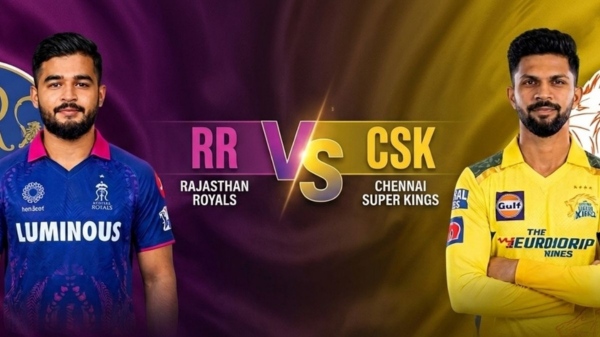
RR vs CSK prediction

Today IPL Match Prediction: RR vs CSK – Full Analysis & Winner Prediction

Featured Snippet:
RR vs CSK match prediction depends on batting strength, experience, and pitch conditions. Rajasthan Royals rely on aggressive batting, while Chennai Super Kings focus on strategy and experience. Toss and match conditions will play a key role.

Introduction:
The IPL 2026 match between Rajasthan Royals and Chennai Super Kings is expected to be a high-interest contest. RR brings aggressive gameplay, while CSK brings experience and control.

Match Details:
Match: RR vs CSK
Date: 30 March 2026
Tournament: IPL 2026
Time: Evening Match
Venue: Update before publishing

Team Analysis:

Rajasthan Royals:
Aggressive top order, explosive batting, but inconsistent bowling.

Chennai Super Kings:
Experienced squad, strong middle order, and excellent finishing ability.

Pitch Report:
Balanced pitch with slight advantage for batsmen. Dew may impact second innings.

Toss Prediction:
Team winning toss likely to bowl first.

Winner Prediction:
Chennai Super Kings (CSK) due to experience and match control.

FAQ:
Who will win? CSK slight edge.
Toss prediction? Bowl first.
Pitch? Balanced with batting support.

Conclusion:
RR can dominate if top order performs, but CSK has advantage in controlled matches.
Visit IPL betting page, live betting page, and prediction page for more insights.

The Rise of Finisher Batsmen in the IPL

The Indian Premier League has changed the way modern cricket is played and analyzed. Over the years the tournament has become a laboratory of innovation where teams constantly experiment with tactics, player roles, and match strategies. Coaches, analysts, and players spend countless hours studying performances to find even the smallest competitive advantage. One of the biggest reasons for the league’s popularity is the high intensity of T20 cricket. Every over matters, and a small moment can completely change the result of a match. Because of this, franchises invest heavily in preparation, sports science, and strategic planning. Modern IPL teams rely on a mix of experienced international stars and emerging domestic players. This blend creates an exciting environment where young talents learn from world‑class professionals while contributing fresh energy and fearless cricket. Another

major factor behind the IPL’s success is its ability to evolve every season. Teams constantly adjust strategies depending on pitch conditions, player form, and opposition strengths. Coaches and analysts review past matches, evaluate statistical trends, and create match simulations to prepare players for different situations. Technology has also played an important role in the league’s development. Performance tracking tools, video analysis, and advanced statistics help teams understand player strengths and weaknesses more clearly than ever before. With this information, captains can make better decisions regarding bowling changes, batting order adjustments, and field placements. Fans also benefit from this evolution. Matches have become more competitive and entertaining as teams push the boundaries of innovation. Whether it is explosive batting, clever bowling variations, or athletic

fielding, the IPL continues to redefine the standards of T20 cricket. Because the tournament attracts players from around the world, strategies from different cricketing cultures blend together. Australian aggression, English analytics, South African pace bowling traditions, and Indian spin mastery all combine to create a unique cricketing ecosystem. Ultimately the success of any IPL team depends on how well it adapts to pressure situations. Teams that remain flexible, confident, and tactically aware usually perform better across a long season. The combination of skill, planning, and execution is what separates champions from the rest of the competition. The Indian Premier League has changed the way modern cricket is played and analyzed. Over the years the tournament has become a laboratory of innovation where teams constantly experiment with tactics, player roles, and match strategies.

Coaches, analysts, and players spend countless hours studying performances to find even the smallest competitive advantage. One of the biggest reasons for the league’s popularity is the high intensity of T20 cricket. Every over matters, and a small moment can completely change the result of a match. Because of this, franchises invest heavily in preparation, sports science, and strategic planning. Modern IPL teams rely on a mix of experienced international stars and emerging domestic players. This blend creates an exciting environment where young talents learn from world‑class professionals while contributing fresh energy and fearless cricket. Another major factor behind the IPL’s success is its ability to evolve every season. Teams constantly adjust strategies depending on pitch conditions, player form, and opposition strengths. Coaches and analysts review past matches, evaluate

statistical trends, and create match simulations to prepare players for different situations. Technology has also played an important role in the league’s development. Performance tracking tools, video analysis, and advanced statistics help teams understand player strengths and weaknesses more clearly than ever before. With this information, captains can make better decisions regarding bowling changes, batting order adjustments, and field placements. Fans also benefit from this evolution. Matches have become more competitive and entertaining as teams push the boundaries of innovation. Whether it is explosive batting, clever bowling variations, or athletic fielding, the IPL continues to redefine the standards of T20 cricket. Because the tournament attracts players from around the world, strategies from different cricketing cultures blend together. Australian aggression, English analytics,

South African pace bowling traditions, and Indian spin mastery all combine to create a unique cricketing ecosystem. Ultimately the success of any IPL team depends on how well it adapts to pressure situations. Teams that remain flexible, confident, and tactically aware usually perform better across a long season. The combination of skill, planning, and execution is what separates champions from the rest of the competition. The Indian Premier League has changed the way modern cricket is played and analyzed. Over the years the tournament has become a laboratory of innovation where teams constantly experiment with tactics, player roles, and match strategies. Coaches, analysts, and players spend countless hours studying performances to find even

FAQ

Q: What makes the IPL different from other cricket leagues?

A: The IPL combines international star players, young domestic talent, high level broadcasting, and innovative strategies, making it the most competitive T20 league in the world.

Q: Why is strategy so important in T20 cricket?

A: Because matches are short and fast paced, strategic decisions such as batting order, bowling changes, and field placements can directly influence the result.

Q: How do teams prepare for IPL matches?

A: Teams analyze opposition players, practice different match scenarios, study pitch reports, and rely on analytics and coaching insights to prepare.

Q: Why do fans love the IPL so much?

A: The league offers thrilling finishes, powerful batting, global stars, and intense rivalries which make every match exciting to watch.

Q: Does IPL help young cricketers?

A: Yes, many young players gain international exposure and experience by playing alongside some of the best cricketers in the world.

Conclusion

The IPL continues to push the boundaries of modern cricket through innovation, strategy, and thrilling performances. As teams adapt to new tactics and technologies, the tournament will keep evolving and delivering unforgettable moments for cricket fans around the world.


Why Death Bowling Is the Toughest Skill in the IPL

The Indian Premier League has changed the way modern cricket is played and analyzed. Over the years the tournament has become a laboratory of innovation where teams constantly experiment with tactics, player roles, and match strategies. Coaches, analysts, and players spend countless hours studying performances to find even the smallest competitive advantage. One of the biggest reasons for the league’s popularity is the high intensity of T20 cricket. Every over matters, and a small moment can completely change the result of a match. Because of this, franchises invest heavily in preparation, sports science, and strategic planning. Modern IPL teams rely on a mix of experienced international stars and emerging domestic players. This blend creates an exciting environment where young talents learn from world‑class professionals while contributing fresh energy and fearless cricket. Another

major factor behind the IPL’s success is its ability to evolve every season. Teams constantly adjust strategies depending on pitch conditions, player form, and opposition strengths. Coaches and analysts review past matches, evaluate statistical trends, and create match simulations to prepare players for different situations. Technology has also played an important role in the league’s development. Performance tracking tools, video analysis, and advanced statistics help teams understand player strengths and weaknesses more clearly than ever before. With this information, captains can make better decisions regarding bowling changes, batting order adjustments, and field placements. Fans also benefit from this evolution. Matches have become more competitive and entertaining as teams push the boundaries of innovation. Whether it is explosive batting, clever bowling variations, or athletic

fielding, the IPL continues to redefine the standards of T20 cricket. Because the tournament attracts players from around the world, strategies from different cricketing cultures blend together. Australian aggression, English analytics, South African pace bowling traditions, and Indian spin mastery all combine to create a unique cricketing ecosystem. Ultimately the success of any IPL team depends on how well it adapts to pressure situations. Teams that remain flexible, confident, and tactically aware usually perform better across a long season. The combination of skill, planning, and execution is what separates champions from the rest of the competition. The Indian Premier League has changed the way modern cricket is played and analyzed. Over the years the tournament has become a laboratory of innovation where teams constantly experiment with tactics, player roles, and match strategies.

Coaches, analysts, and players spend countless hours studying performances to find even the smallest competitive advantage. One of the biggest reasons for the league’s popularity is the high intensity of T20 cricket. Every over matters, and a small moment can completely change the result of a match. Because of this, franchises invest heavily in preparation, sports science, and strategic planning. Modern IPL teams rely on a mix of experienced international stars and emerging domestic players. This blend creates an exciting environment where young talents learn from world‑class professionals while contributing fresh energy and fearless cricket. Another major factor behind the IPL’s success is its ability to evolve every season. Teams constantly adjust strategies depending on pitch conditions, player form, and opposition strengths. Coaches and analysts review past matches, evaluate

statistical trends, and create match simulations to prepare players for different situations. Technology has also played an important role in the league’s development. Performance tracking tools, video analysis, and advanced statistics help teams understand player strengths and weaknesses more clearly than ever before. With this information, captains can make better decisions regarding bowling changes, batting order adjustments, and field placements. Fans also benefit from this evolution. Matches have become more competitive and entertaining as teams push the boundaries of innovation. Whether it is explosive batting, clever bowling variations, or athletic fielding, the IPL continues to redefine the standards of T20 cricket. Because the tournament attracts players from around the world, strategies from different cricketing cultures blend together. Australian aggression, English analytics,

South African pace bowling traditions, and Indian spin mastery all combine to create a unique cricketing ecosystem. Ultimately the success of any IPL team depends on how well it adapts to pressure situations. Teams that remain flexible, confident, and tactically aware usually perform better across a long season. The combination of skill, planning, and execution is what separates champions from the rest of the competition. The Indian Premier League has changed the way modern cricket is played and analyzed. Over the years the tournament has become a laboratory of innovation where teams constantly experiment with tactics, player roles, and match strategies. Coaches, analysts, and players spend countless hours studying performances to find even

FAQ

Q: What makes the IPL different from other cricket leagues?

A: The IPL combines international star players, young domestic talent, high level broadcasting, and innovative strategies, making it the most competitive T20 league in the world.

Q: Why is strategy so important in T20 cricket?

A: Because matches are short and fast paced, strategic decisions such as batting order, bowling changes, and field placements can directly influence the result.

Q: How do teams prepare for IPL matches?

A: Teams analyze opposition players, practice different match scenarios, study pitch reports, and rely on analytics and coaching insights to prepare.

Q: Why do fans love the IPL so much?

A: The league offers thrilling finishes, powerful batting, global stars, and intense rivalries which make every match exciting to watch.

Q: Does IPL help young cricketers?

A: Yes, many young players gain international exposure and experience by playing alongside some of the best cricketers in the world.

Conclusion

The IPL continues to push the boundaries of modern cricket through innovation, strategy, and thrilling performances. As teams adapt to new tactics and technologies, the tournament will keep evolving and delivering unforgettable moments for cricket fans around the world.


IPL Death Overs Analysis (Last 5 Seasons) | Scoring Trends & Bowling Strategies

PL Death Overs Analysis (Last 5 Seasons)

Scoring Patterns, Bowling Tactics & Match-Defining Moments

In T20 cricket, matches are often decided in the final five overs. In the Indian Premier League (IPL), death overs (16–20) represent the most intense and unpredictable phase of the game.

A well-executed death overs strategy can turn a good total into a match-winning one — or convert a comfortable chase into a dramatic collapse.

Over the last five IPL seasons, scoring rates in the death overs have increased, but so has bowling innovation. This detailed analysis explores trends, tactical shifts, pressure scenarios, and how death overs performance influences match outcomes.

Understanding this phase is essential for serious IPL match analysis.


What Are Death Overs in IPL?

Death overs refer to:

• Overs 16 to 20
• Final 30 deliveries of an innings
• Phase where maximum acceleration occurs

Batters aim to:

✔ Clear boundaries
✔ Exploit field restrictions
✔ Target weaker bowlers

Bowlers aim to:

✔ Execute yorkers
✔ Use slower deliveries
✔ Prevent boundary flow

This phase often determines the final result.


Average Death Overs Scoring Trends

Across recent IPL seasons:

• Average death overs runs: 45–60
• High-scoring games: 70+ in last 5 overs
• Low-scoring games: Below 40

Modern IPL teams frequently score at 10–14 runs per over in this phase.

On flat pitches, scoring rate sometimes exceeds 15 per over.


Evolution of Death Overs Batting

Earlier seasons:

• 40 runs considered strong finish
• Risk management approach

Recent seasons:

• Batters attack from ball one
• 60+ expected in high-scoring matches
• Finishers trained specifically for this phase

Power-hitting depth has increased significantly.


Importance of Wickets in Death Overs

Wickets drastically reduce scoring potential.

Scenarios:

✔ 5 wickets in hand at over 15 → Explosive finish likely
✔ 7+ wickets down at over 15 → Controlled finish

Teams preserving wickets during middle overs gain advantage late.

Wicket preservation strategy strongly correlates with final totals.


Bowling Tactics in Death Overs

Successful IPL bowlers use:

1️⃣ Yorkers

• Aimed at batsman’s toes
• Difficult to hit for boundaries
• High risk if execution fails

2️⃣ Slower Balls

• Off-pace deliveries
• Deceive aggressive hitters
• Effective on slower pitches

3️⃣ Wide Lines

• Force batters to reach
• Reduce clean hitting angle

Precision matters more than pace.


Captaincy Decisions During Death Overs

Captains must decide:

• Which bowler bowls 19th and 20th over
• Whether to hold main bowler for final over
• Field placements for boundary protection

Mistiming bowling rotation often leads to 15–20 extra runs conceded.

Death overs require trust in specialists.


Venue-Based Death Overs Patterns

Mumbai

• Flat surface
• High scoring finishes
• 65+ common in big matches

Chennai

• Slower pitch
• 45–50 competitive finish
• Spinners sometimes bowl 16th–17th over

Delhi

• Short boundaries
• Aggressive hitting zone
• Bowlers under pressure

Kolkata

• Balanced but unpredictable

Venue context changes finishing expectations.


Chasing vs Batting First in Death Overs

When batting first:

• Teams push aggressively after 15th over
• Risk tolerance increases

When chasing:

• Strategy depends on required run rate
• If 10+ per over required, high-risk hitting begins immediately

Chasing teams often pace innings differently compared to teams setting target.


Impact of Finishers

Successful IPL teams have:

• Dedicated finishers
• Power hitters at No. 5, 6, 7
• Ability to clear boundaries under pressure

Finishers play crucial role in:

✔ Converting 160 into 190
✔ Chasing 60 off last 5 overs

Without strong finishers, teams struggle to maximize death overs.


Data Insight: Death Overs & Winning Probability

Observational patterns show:

• Teams scoring 55+ in death overs often cross 180 total.
• Teams conceding 60+ frequently lose high-scoring matches.
• Strong death bowling units correlate with playoff success.

Death overs performance often separates top teams from mid-table teams.


Common Death Overs Mistakes

For Batting Team:

❌ Starting too late
❌ Losing key hitter before over 16
❌ Misjudging slower deliveries

For Bowling Team:

❌ Missing yorker length
❌ Predictable pace
❌ Defensive mindset

Aggression with control produces best outcomes.


Psychological Pressure Factor

Death overs create:

• Maximum crowd noise
• High stress
• Momentum swings

Batters must manage:

• Dot ball pressure
• Required run rate anxiety

Bowlers must handle:

• Boundary impact
• No-ball risks

Mental strength defines execution quality.


Case-Based Scenario Analysis

Scenario 1:

Team 130/3 after 15 overs.

Potential:

• 180+ total if finish strong

Scenario 2:

Team 130/6 after 15 overs.

Potential:

• 160–165 likely

Difference lies in wicket preservation.


Death Overs in Playoffs

In knockout matches:

• Teams slightly cautious initially
• Bowlers more disciplined
• Scoring sometimes lower than league games

Pressure influences shot selection.

Playoff death overs often define championship moments.


Balance Between Risk & Calculation

Death overs are not random hitting phases.

Smart teams:

✔ Target specific bowlers
✔ Identify shorter boundaries
✔ Exploit favorable matchups

Data-based targeting improves efficiency.


Role of All-Rounders in Death Phase

All-rounders provide:

• Batting depth
• Flexible bowling option
• Tactical freedom

Teams with multiple all-rounders manage death overs more effectively.

Depth reduces collapse risk.


How to Analyze Death Overs Before a Match

  1. Evaluate finishing strength of batting side.
  2. Review bowling unit’s death economy rate.
  3. Check venue scoring trends.
  4. Consider dew impact on execution.
  5. Assess recent match finishing patterns.

Structured analysis improves clarity.


Long-Term Strategic Insight

Across last five IPL seasons:

• Death overs scoring trend rising steadily.
• Teams with specialist death bowlers perform consistently.
• Strong finishing units correlate with tournament success.

Death overs are no longer unpredictable chaos — they are strategic battles.


Responsible Perspective

Despite trends:

• One over can change everything.
• No-ball or dropped catch alters outcome.
• T20 volatility remains high.

Strategic awareness reduces risk but does not remove uncertainty.


Final Conclusion

Death overs are the heartbeat of IPL matches.

Success formula:

✔ Preserve wickets till over 15
✔ Deploy specialist finishers
✔ Execute disciplined yorkers
✔ Adapt to pitch behavior

Teams dominating death overs frequently dominate tournaments.

If powerplay builds foundation, death overs decide destiny.


Frequently Asked Questions (FAQ)

1. What is a good death overs score in IPL?
Generally 50–60 runs in last five overs is considered strong.


2. Why are yorkers important in death overs?
Yorkers limit clean hitting and reduce boundary chances when executed correctly.


3. Do teams with strong finishers perform better?
Yes, strong finishing ability often converts competitive totals into winning ones.


4. Are death overs more important than powerplay?
Both are crucial, but death overs often decide close matches.


5. Does dew impact death overs?
Yes, dew makes bowling execution harder and favors batting in second innings.

IPL Powerplay Performance Trends (Last 5 Seasons) | Scoring & Wicket Analysis Guide


IPL Powerplay Performance Trends (Last 5 Seasons)

Scoring Patterns, Wickets & Match Impact Analysis

In T20 cricket, the first six overs often determine the direction of the match. In the Indian Premier League (IPL), powerplay performance can build momentum, create pressure, or cause early collapses.

Over the last five seasons, powerplay strategies have evolved significantly. Teams have become more aggressive, bowling plans have become data-driven, and field restrictions have been exploited more efficiently.

This detailed analysis explores IPL powerplay trends, scoring averages, wicket patterns, tactical shifts, and how early overs influence overall match outcomes.

If you want deeper insight into IPL match dynamics, understanding powerplay trends is essential.


What Is the Powerplay in IPL?

In T20 cricket:

• First 6 overs = Powerplay
• Only 2 fielders allowed outside 30-yard circle
• Maximum opportunity for attacking batting

Because of field restrictions, teams aim to maximize scoring while minimizing wicket loss.

The balance between aggression and control defines powerplay success.


Average Powerplay Scores (Last 5 IPL Seasons)

Data trends across recent IPL seasons show:

• Average powerplay score: 45–55 runs
• High-scoring matches: 60+ runs in powerplay
• Low-scoring matches: 35 or below

However, venue conditions and team strategy heavily influence these numbers.

Aggressive teams often target 50+ runs in first six overs.


Evolution of Powerplay Strategy

Early IPL Years:

• Conservative starts
• Focus on preserving wickets
• 40–45 considered strong start

Recent Seasons:

• Aggressive intent from ball one
• Openers attacking immediately
• 50+ becoming standard expectation

Modern IPL rewards early dominance.


Powerplay Runs vs Match Outcome

Trend analysis suggests:

✔ Teams scoring 55+ in powerplay win more frequently.
✔ Teams losing 2+ wickets early struggle to post big totals.
✔ Controlled aggression leads to stable middle overs.

However, scoring quickly at the cost of 3 wickets can backfire.

Balance is critical.


Powerplay Wicket Patterns

Across recent seasons:

• Average wickets in powerplay: 1–2
• 3+ wickets = strong bowling dominance
• 0 wickets = batting control

Early breakthroughs significantly reduce opposition scoring potential.

Bowling teams focus on:

• Swing movement
• Hard lengths
• Surprise bouncers

Wickets change match momentum instantly.


Venue-Based Powerplay Trends

Mumbai

• True bounce
• High scoring powerplays
• 55+ common

Chennai

• Slower pitch
• 40–45 competitive
• Early spin occasionally introduced

Delhi

• Short boundaries
• Aggressive powerplays
• Batters attack from start

Kolkata

• Balanced scoring
• 45–50 typical

Venue history should always be considered.


Role of Openers in Powerplay

Successful IPL teams usually have:

• One aggressive opener
• One stabilizing partner

Aggressive opener:

• Targets boundaries
• Attacks new ball

Anchor opener:

• Rotates strike
• Builds foundation

Strong opening partnerships increase probability of 180+ totals.


Bowling Strategy During Powerplay

Captains often deploy:

• 2 main pacers
• Swing specialists
• Occasionally attacking spin

Modern IPL bowling plans include:

• Wide yorkers early
• Hard back-of-length deliveries
• Slower balls even inside powerplay

Bowling innovation has reduced scoring rates slightly in some seasons.


Impact of Left-Right Combinations

Left-right opening pairs create:

• Fielding adjustments
• Bowling line disruptions
• Captaincy challenges

This strategy prevents bowlers from settling.

Teams using flexible combinations often dominate powerplay phases.


Aggression vs Stability Debate

Two approaches exist:

Aggressive Approach:

• Aim 60+ runs
• Accept risk of early wickets

Controlled Approach:

• Target 45–50
• Preserve wickets

Recent IPL trends favor aggressive starts, especially on flat pitches.

But on slow surfaces, controlled approach performs better.


Powerplay in Chasing vs Batting First

When batting first:

• Teams aim to set strong platform.
• Losing early wickets reduces scoring freedom later.

When chasing:

• Powerplay tempo depends on required run rate.
• If chasing 200+, teams attack aggressively.
• If chasing 150, controlled approach preferred.

Match context shapes powerplay strategy.


Powerplay Impact on Middle Overs

Strong powerplay:

• Frees middle order
• Allows anchor batters to rotate strike
• Builds scoreboard pressure

Weak powerplay:

• Increases required run rate
• Forces risky shots
• Leads to collapse potential

Momentum built early often continues.


Defensive Powerplay Strategy

When bowling:

• Wickets more valuable than dot balls
• Slip placements increase chance of early breakthroughs
• Short ball surprise tactic effective

Captains sometimes sacrifice boundary prevention to chase wickets.

Aggressive bowling mindset often produces better results.


Data-Based Insight: Powerplay & Winning Correlation

Observational trends:

• Teams with better net run rate often dominate powerplay.
• Consistent powerplay performance across season correlates with playoff qualification.
• High-risk inconsistent teams show volatile powerplay numbers.

Stability in early overs reflects team quality.


Common Powerplay Mistakes

For Batting Team:

❌ Over-attacking swing conditions
❌ Ignoring pitch slowness
❌ Losing 3 wickets in attempt to reach 60

For Bowling Team:

❌ Defensive fields too early
❌ Not using attacking bowlers
❌ Allowing easy singles

Avoiding early mistakes improves overall performance.


Scenario-Based Example

Scenario 1:

Team scores 65/0 in powerplay.

Result:

• Likely total 190+
• Strong match position

Scenario 2:

Team 30/3 in powerplay.

Result:

• Recovery mode
• Target reduces by 20–30 runs

Early six overs heavily influence final score.


Playoff Powerplay Trends

In knockout matches:

• Teams slightly more cautious
• Bowlers attack more aggressively
• Wickets valued over boundaries

Pressure affects risk-taking.

Thus powerplay numbers in playoffs often slightly lower than league matches.


How to Analyze Powerplay Before Match

  1. Study opening pair form.
  2. Review venue powerplay average.
  3. Evaluate opposition new-ball bowlers.
  4. Check swing or weather forecast.
  5. Observe toss decision impact.

Preparation enhances clarity.


Long-Term Strategic View

Across five IPL seasons:

• Powerplay performance strongly correlates with match success.
• Aggressive but calculated starts produce consistent results.
• Teams with adaptable strategy dominate across venues.

Powerplay is not just early phase — it is foundation of match outcome.


Responsible Perspective

Despite trends:

• T20 unpredictability remains high.
• One over can reverse momentum.
• Late overs heroics can overcome poor powerplay.

Structured analysis reduces risk but does not eliminate uncertainty.


Final Conclusion

IPL powerplay trends show clear evolution toward aggressive starts. Teams targeting 50–60 runs with minimal wickets gain significant advantage.

Success formula:

Strong Openers + Smart Bowling + Venue Awareness + Match Context

Understanding powerplay patterns provides a sharper edge in IPL match analysis.

The first six overs are not just a phase — they are momentum builders.


Frequently Asked Questions (FAQ)

1. What is a good powerplay score in IPL?
Generally 50–55 runs without losing more than one wicket is considered strong.


2. Do teams that win powerplay usually win the match?
Statistically, teams dominating powerplay have higher winning probability.


3. Is aggressive powerplay always better?
Not always. On slow pitches, controlled starts may produce better results.


4. How many wickets are normal in powerplay?
Typically 1–2 wickets across six overs.


5. Does powerplay matter more when chasing?
Yes, especially when chasing high totals, early acceleration becomes crucial.



WhatsApp Chat